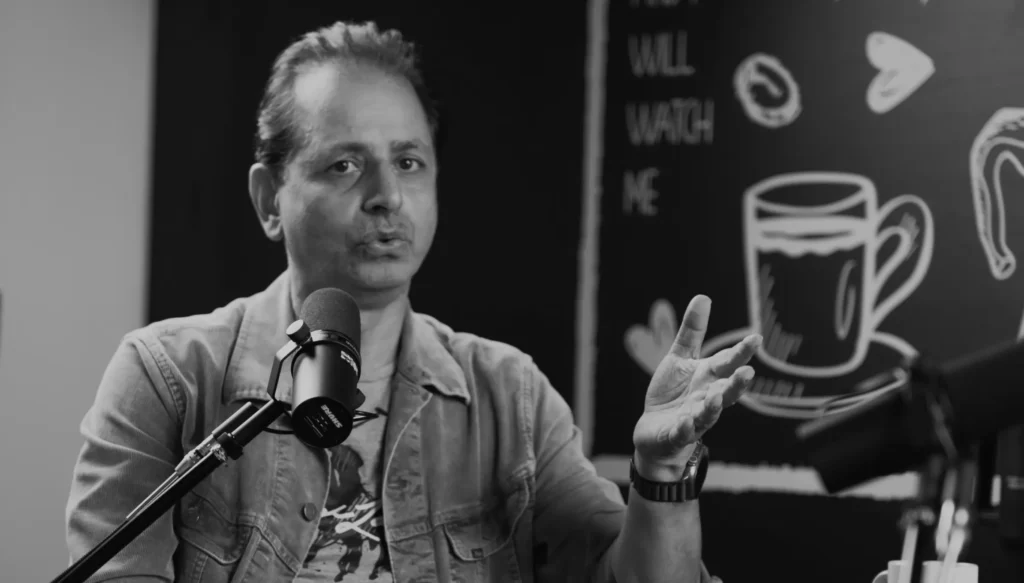
Recording a video podcast takes a couple of hours. Getting people to actually watch it takes much longer. Most shows struggle not because the conversations are weak, but because a full episode asks a lot of a stranger scrolling past. Short clips fix that. A single good episode can give you a month of reels, shorts and posts, and each one sends new viewers back to the full show.
We edit podcasts every week at our studio in Pune, so this is the process we actually follow. It works whether you record with us or somewhere else.
Why short clips matter more than the full episode
Your full episode is for people who already know you. Clips are for everyone else. Instagram Reels, YouTube Shorts and LinkedIn videos put your best moments in front of people who would never press play on a forty minute conversation. When a clip lands, a share of those viewers go looking for the full episode, and that is how a show grows.
Clips also keep your channels active between episodes. If you publish one episode a fortnight, clips let you post several times a week without recording anything new.
Plan for clips before you record
The best clips are planned, not found by accident. Before the recording, write down three or four questions that are likely to produce a sharp, self contained answer. Strong opinions, a surprising number, a mistake the guest made early on, or a simple explanation of something people get wrong all make good clips.
On the day, ask hosts and guests to answer in full sentences that make sense on their own. An answer that starts with “Yes, like I said earlier” is hard to clip. One that starts with “The biggest mistake founders make is” is ready to post.
Record in a way that makes editing easy
- Use separate cameras for each person. A wide shot plus a close up of each speaker lets the editor cut to whoever is talking and crop cleanly to vertical.
- Frame for vertical as well as horizontal. Leave a little room around each person so a 9:16 crop for reels does not cut off heads or hands.
- Record clean audio for every mic. Separate tracks let the editor fix one voice without affecting the other.
- Keep the background simple. A tidy, well lit set looks good at full width and still works when cropped tight.
This is exactly why a proper studio pays off. You can read more about how we set up multi camera shoots in our guide to video podcast studios in Pune.
How to find the best moments
Once the episode is edited, go through it with a transcript open. Mark every moment that would make sense to someone who has not heard the rest of the conversation. Look for:
- A clear opinion or a bold claim
- A short story with a beginning and an end
- A practical tip someone can use today
- A number or fact that surprises people
- A funny or honest moment that shows personality
From a forty to sixty minute episode, you will usually find eight to fifteen usable moments. Rank them and keep the strongest.
Edit each clip for silent, small screen viewing
- Open with the hook. Start on the most interesting line, not on the question that led to it. You have about two seconds before someone scrolls away.
- Keep it tight. Cut pauses, filler words and repeated points. Most clips work best when they make one point well.
- Add captions. Many people watch with the sound off, so clear, well timed captions are essential.
- Crop to vertical. Reels and Shorts are 9:16. Switch between speakers as they talk so the clip feels alive.
- End with a reason to watch more. A simple line on screen pointing to the full episode is enough.
Turn one episode into a month of content
Here is a simple plan that works for most shows that publish an episode every two weeks:
- Week 1: the full episode on YouTube and Spotify, plus two or three short clips.
- Week 2: two more clips, plus a carousel or text post with the key takeaways.
- Week 3: the next episode goes live and the cycle starts again.
- Between episodes: a quote card or two pulled from the transcript, and a short behind the scenes video from the shoot.
Post the same clip on Instagram, YouTube Shorts and LinkedIn, adjusting the caption for each audience. A clip that does well on one platform is worth testing on the others.
Should you edit in house or outsource it?
If you have the time and an editor on your team, editing in house gives you full control. For most founders and brands, though, editing is where podcasts stall. Episodes get recorded and then sit on a hard drive because nobody has a free afternoon to cut them. A studio that records and edits under one roof removes that bottleneck, and the clips are ready while the conversation is still fresh.
If you are running a podcast for your business, our guide to corporate podcast production in Pune covers formats, planning and how to keep a show going.
FAQ
How many clips can I get from one podcast episode?
Most forty to sixty minute episodes produce eight to fifteen usable clips. Planning a few strong questions before the recording usually gives you more, and better, moments to choose from.
How long should a podcast reel or short be?
Long enough to make one complete point and no longer. For most clips that means under a minute, with the strongest line in the first two seconds.
Do I need a professional studio to make good clips?
You can make clips from any recording, but multi camera footage, clean audio for each speaker and good lighting make them far easier to edit and much better to watch, especially once cropped to vertical.
Want to record and turn your podcast into clips without the hassle? Get in touch with our Pune studio and we will help you plan your first shoot.
